Insulated stainless steel water bottles are made by forming two metal walls, laser-welding them into a sealed double-wall body, then creating a vacuum layer in a high-temperature furnace to reduce heat transfer. Below is a step-by-step manufacturing overview—from stainless steel tube preparation and body forming to welding, vacuum extraction, inner-wall cleaning, surface finishing, and lid injection molding—built for consistent bulk production and OEM/ODM customization.
Stainless Steel Insulated Bottle Manufacturing Process: 7 Steps
Material preparation → Body forming → Welding → Vacuum extraction → Inner-wall cleaning → Surface finishing → Lid production → Final assembly and packaging
 STEP 01
Material Preparation
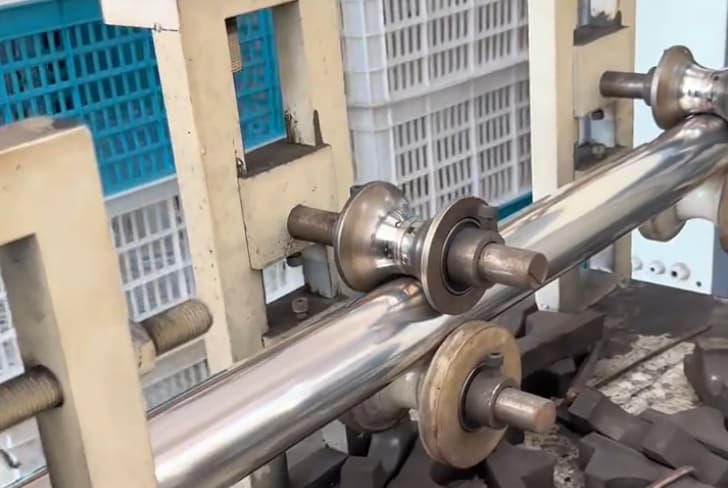
Stainless steel coils are laser-welded into tubes, then CNC cut to exact lengths—creating consistent blanks for stable forming. View details →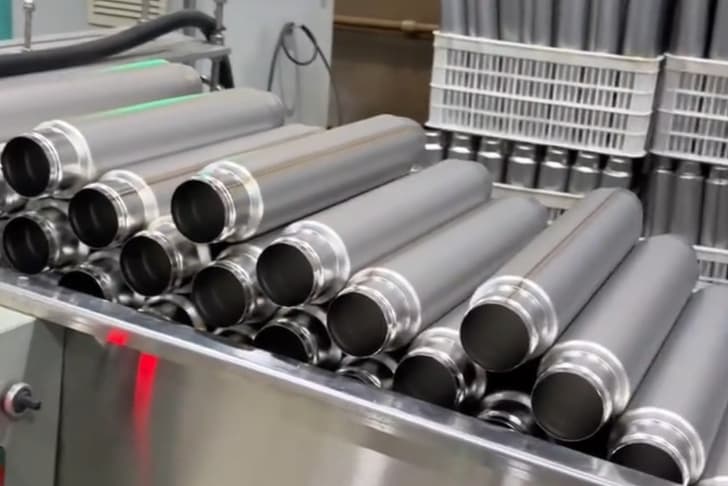 STEP 02
Bottle Shaping
Hydroforming shapes tubes into bottle bodies, followed by laser trimming, mouth forming, and threading for precise lid fit. View details →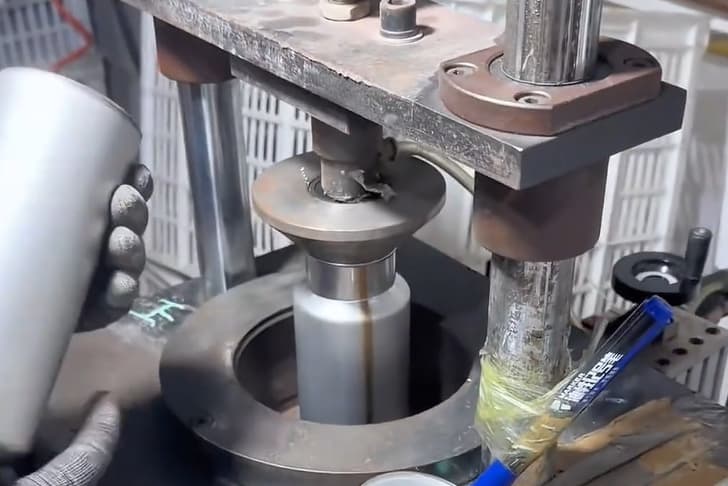 STEP 03
Welding & Assembly
Laser welding seals the inner and outer shells into a double-wall body; a getter chip supports long-term vacuum stability. View details →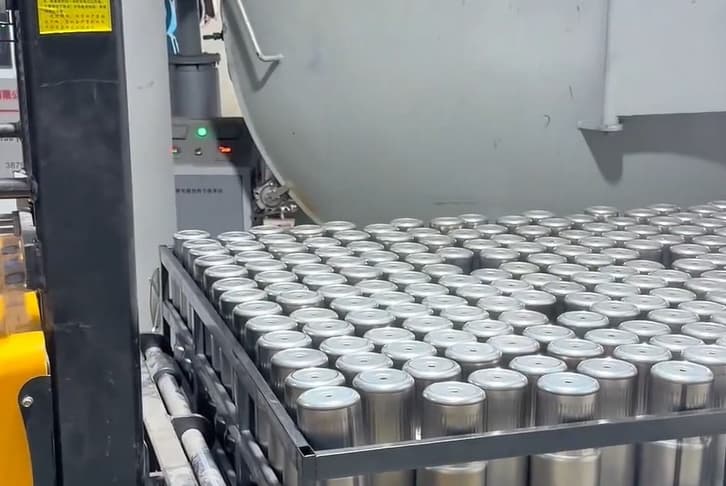 STEP 04
Vacuum Insulation
Bottles enter a vacuum furnace, where air is removed from the sealed gap between the inner and outer walls. The evacuation opening is then sealed, and temperature testing is used to identify bottles with inadequate vacuum performance. View details →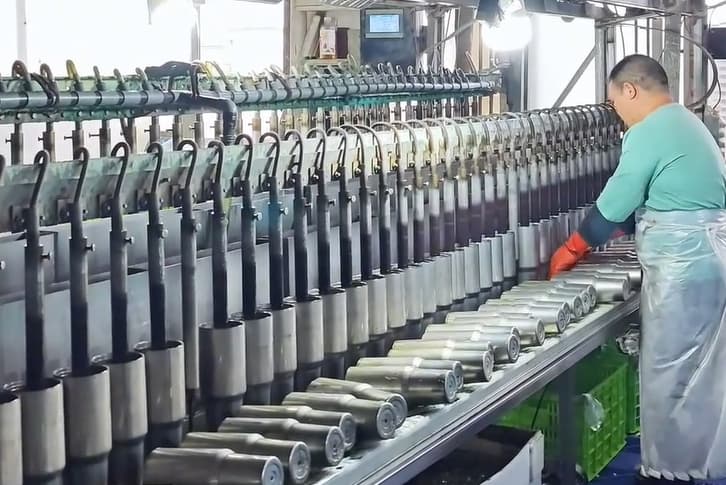 STEP 05
Electrolytic Cleaning
Inner walls are cleaned and electrolytically treated to remove production residues and improve surface cleanliness and brightness. Material and finished-product requirements should be confirmed separately for the target market. View details →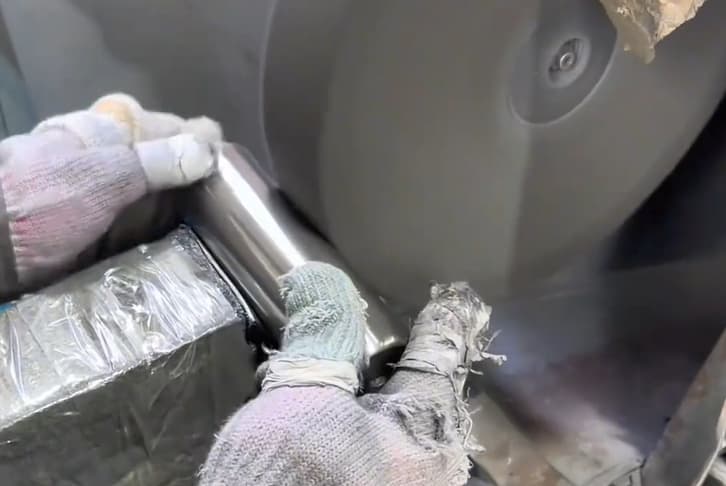 STEP 06
Polishing & Coating
Outer surfaces are polished and prepared for the required finish, such as powder coating, spray painting, plating or a brushed stainless steel appearance. The selected finish is checked for coverage, adhesion, appearance and batch color consistency. View details →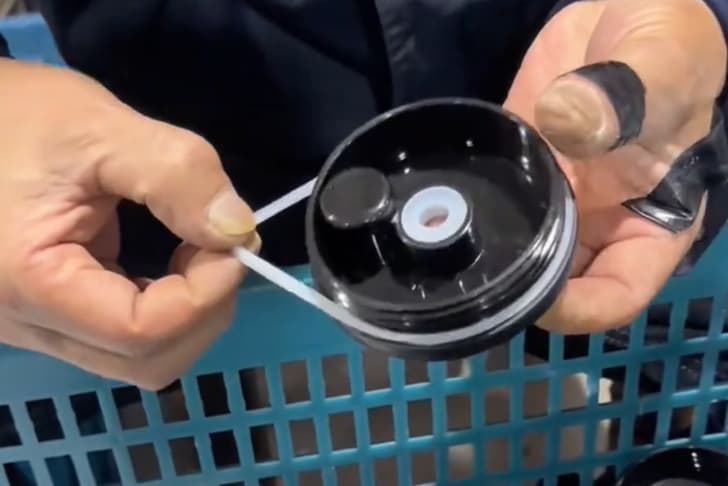 STEP 07
Lids & Accessories
Food-grade PP lids are injection molded, matched to Pantone colors, assembled with silicone seals, and QC-checked for leak-proof fit. View details →What Makes an Insulated Bottle Work?
The performance of a vacuum insulated bottle comes down to two things: a sealed double-wall structure and a stable vacuum layer. Materials, welding quality, and finishing all support those fundamentals.
Core Structure
- Double-wall body: Inner and outer stainless steel shells form the bottle structure.
- Vacuum layer: Air is removed from the interlayer to reduce heat transfer.
- Getter support: Helps maintain vacuum stability over long-term use.
- Lid sealing: PP lid + silicone gasket to achieve leak-proof closure.
- Surface finish: Polishing and powder coating for durability and consistent appearance.
How We Confirm It’s Qualified
- Vacuum test: Thermal stress testing screens out weak vacuum bottles.
- Weld check: Mouth and bottom seams are inspected for airtight sealing.
- Fit check: Bottle mouth and threads are measured for reliable lid compatibility.
- Cleanliness check: Inner wall finish is verified after electrolytic cleaning.
- Finish check: Coating is checked for defects and batch color consistency.
FAQs: How Are Insulated Water Bottles Made?
What makes an insulated water bottle “vacuum insulated”?
A vacuum insulated bottle has a sealed vacuum gap between the inner and outer walls stainless steel walls. That vacuum layer reduces heat transfer, which is why the bottle can keep drinks hot or cold for longer.
How is the vacuum layer created during manufacturing?
After the inner and outer shells are laser welded into a double-wall body, bottles enter a high-temperature vacuum furnace where air is extracted from the interlayer. The bottom is sealed to lock the vacuum in place, forming the core insulation structure.
Why do insulated bottles require laser welding?
Welding creates an airtight, permanent seal between the inner tank and outer shell. A consistent weld seam is essential for forming a stable vacuum chamber and preventing insulation failure over time.
What materials are used to make insulated stainless steel bottles?
Most insulated bottles use food-grade 304 or 316 stainless steel for the inner wall, stainless steel for the outer shell, plus a PP (polypropylene) lid and a food-grade silicone sealing ring for leak-proof performance.
How do you test whether the vacuum insulation is good?
Vacuum performance is verified through thermal stress testing and inspection of sealing integrity. If the outer wall heats up abnormally under test conditions, it indicates the vacuum layer is compromised and the bottle is rejected.
How are lids made, and how is leak-proof sealing achieved?
Lids are typically produced by injection molding using food-grade PP, then assembled with silicone gaskets. Final QC checks cover gasket fit, dimensional accuracy, and sealing performance to ensure reliable leak resistance.
Which Manufacturing Steps Matter Most to Bottle Quality?
For buyers, not every visible production step carries the same risk. Material verification affects corrosion resistance and product consistency. Forming and welding affect dimensions and sealing. Vacuum processing determines insulation performance, while lid assembly affects leakage. Surface preparation and finishing influence appearance, adhesion and batch consistency.
These points should be confirmed during sampling and reflected in the bulk-production inspection plan.